Is Your Brow Routine Quietly Wrecking the Rest of Your Face?
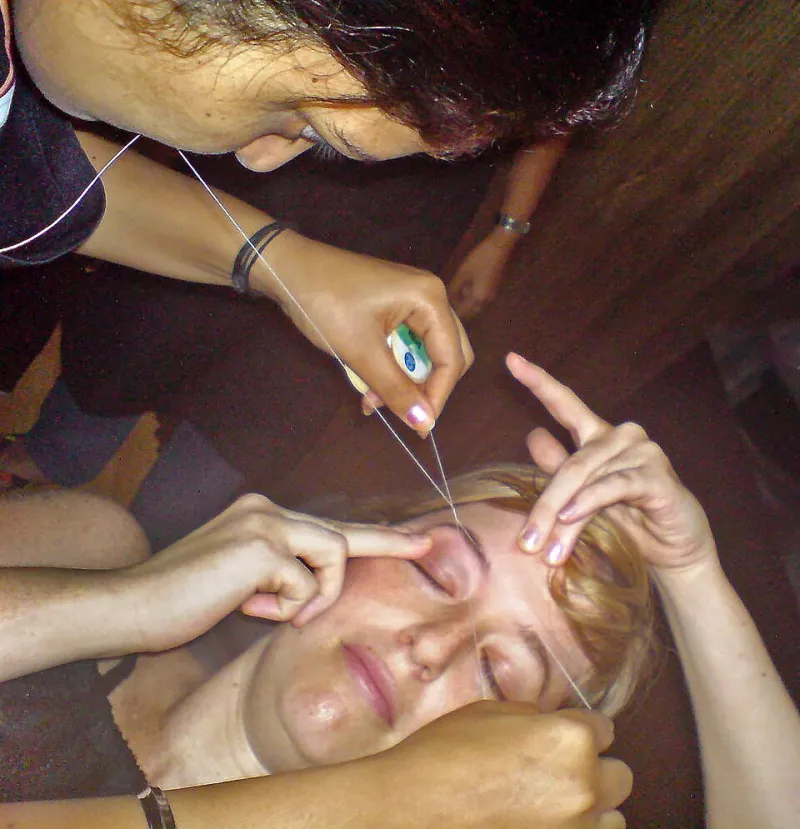
Photo: butterbeeee, CC BY-SA 2.0, via Wikimedia Commons
You finally nailed the perfect arch. Your brows are sharp, symmetrical, and honestly kind of stunning. But a few days later, your forehead is red, the skin around your eyes feels weirdly tight, and you've got a patch of irritation creeping toward your temples that wasn't there before. Sound familiar?
Here's something a lot of people don't realize: the skin around your eyebrows is some of the most delicate skin on your entire face. And when you repeatedly stress it with brow treatments—waxing, aggressive tweezing, even threading done too frequently—you can trigger a chain reaction that goes way beyond the brow line itself.
We talked to the aestheticians at Beauty & The Brow Orlando about what's really happening beneath the surface, and the answers might make you rethink how you're approaching your brow care.
First, Let's Talk About the Skin Barrier
Your skin barrier—technically called the stratum corneum—is the outermost layer of your skin. Think of it as a protective shield. It keeps moisture in, keeps irritants out, and basically runs interference between your body and the outside world.
When that barrier is healthy, your skin looks calm, plump, and even-toned. When it's compromised, you get redness, flakiness, sensitivity, and that uncomfortable tight or stinging feeling that makes you want to avoid everything in your skincare cabinet.
The skin around your eyes and brows is naturally thinner than skin elsewhere on your face—sometimes up to 40% thinner, according to dermatological research. That means it has less structural backup when something goes wrong. Stress it enough, and the effects don't stay contained to one small patch.
How Brow Treatments Can Compromise the Barrier
Not all brow methods are created equal when it comes to skin impact. Here's a breakdown of how each one can affect the skin barrier:
Waxing is probably the most disruptive. Hot wax adheres to both the hair and the top layer of skin cells. When it's pulled off, it takes some of that protective layer with it. Done occasionally and by a skilled professional, your skin can recover. Done too frequently—or with wax that's too hot—and you're repeatedly stripping away the barrier before it has time to rebuild. Over time, this leads to chronic sensitivity that can spread.
Tweezing is subtler, but repetitive tweezing—especially when done aggressively or on dry skin—creates micro-trauma around each follicle. If you're someone who tweeze every few days or have a habit of going over the same spot multiple times, that cumulative stress adds up.
Threading, when done correctly by a trained professional, is actually one of the gentler options. But frequency matters. Threading too often, or having it done by someone who applies too much tension or friction, can still lead to inflammation. The good news? A skilled threading specialist knows how to minimize that tension while still delivering a precise result.
Why the Irritation Spreads
This is the part that surprises most people. You had your brows waxed—so why is the skin near your hairline acting up?
When your skin barrier is damaged in one area, a few things happen. Inflammatory signals get sent out, and those signals don't stay neatly in one zip code. The immune response that kicks in can cause redness and sensitivity in nearby zones. Additionally, if you're applying skincare products after a brow treatment—even gentle ones—on compromised skin, those ingredients penetrate more deeply than they're supposed to, which can trigger irritation in a wider area.
Some people also experience what's called sensitization, where repeated barrier damage makes the skin progressively more reactive over time. What started as mild post-wax redness can eventually become a more persistent sensitivity that shows up even without a treatment trigger.
Signs Your Brow Routine Might Be to Blame
Not sure if your brow maintenance is the culprit? Here are some clues:
- You notice redness or tightness around your forehead, temples, or upper cheeks after brow treatments
- Your skin stings when you apply moisturizer or sunscreen in those areas, even days later
- You've developed small bumps or breakouts near the brow line that weren't there before
- Your skin feels sensitive to touch in areas that aren't directly where you had hair removed
- You've been using the same skincare routine for years but suddenly products feel irritating
If any of these sound like you, it's worth having a conversation with a professional aesthetician who can assess what's going on.
How to Protect Your Skin Without Sacrificing Your Brows
The good news is that you don't have to choose between beautiful brows and healthy skin. You just have to be smarter about how you maintain them.
Space out your appointments. Most people benefit from brow maintenance every three to four weeks. Going more frequently than that doesn't give your skin adequate time to recover and rebuild its barrier.
Choose your method wisely. If you have sensitive skin or a history of reactive skin, threading is generally the safer bet. At Beauty & The Brow Orlando, our threading technique is designed to minimize friction and trauma while still delivering that clean, defined shape you're after.
Skip the actives right after treatment. After any brow service, hold off on retinol, exfoliating acids, and vitamin C serums for at least 24 to 48 hours in the treated area. Your skin barrier needs time to recover before it can handle those ingredients without reacting.
Apply a gentle barrier-supporting product post-treatment. Look for ingredients like ceramides, squalane, or colloidal oatmeal. These help the skin rebuild its protective layer faster. Avoid anything with fragrance or alcohol in the immediate aftermath.
Hydrate before you come in. Well-moisturized skin is more resilient during treatments. If your skin is already dry or compromised when you sit down for a brow appointment, it's starting from a disadvantaged position.
Communicate with your aesthetician. If you've been experiencing sensitivity, say something before the service starts. A good brow specialist will adjust their technique, skip certain steps, or recommend a different approach based on what your skin actually needs that day.
The Bottom Line
Your brows deserve attention—but so does the skin that surrounds them. The eye area is one of the most delicate zones on your face, and treating it with the same casual approach you might take with, say, your legs or arms, can have real consequences that show up in unexpected places.
At Beauty & The Brow Orlando, we think about brow care as part of your overall skin health, not separate from it. That means using techniques that prioritize both precision and gentleness, and helping you understand how to take care of your skin between visits.
Beautiful brows shouldn't come at the expense of the rest of your face. With the right approach, you really can have both.