What Your Dermatologist Wishes You'd Tell Them About Your Brow Routine

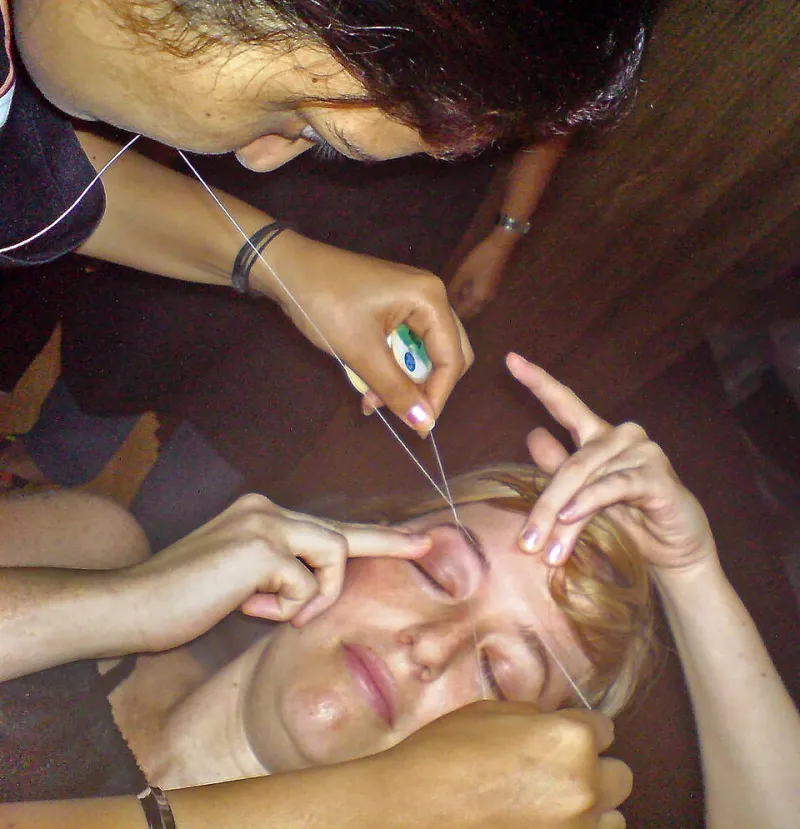
Photo by Photo by Rune Enstad on Unsplash on Unsplash
Picture this: you've got a derm appointment to check in on a flare-up near your brow bone. You walk through what you've been using — your cleanser, your SPF, maybe a new serum. But when your doctor asks about recent treatments, you forget to mention that you got your brows threaded four days ago.
It's such a small detail. Except it might not be.
The connection between eyebrow maintenance and skin health is one of those things that rarely gets talked about in either the beauty chair or the doctor's office. But for people dealing with acne, rosacea, eczema, or sensitive skin in general, that gap in the conversation can lead to some real frustration — and some very confusing breakouts.
Your Skin Doesn't Know the Difference Between Beauty and Stress
Every time something touches your skin — a thread, a pair of tweezers, a warm wax strip — your skin responds. That response is normal. A little redness, some temporary sensitivity, maybe minor swelling. For most people, it fades within a few hours and life goes on.
But skin isn't a passive surface. It's a living ecosystem with its own microbiome — a community of bacteria, fungi, and other microorganisms that help regulate inflammation, fight off pathogens, and keep your barrier intact. When that ecosystem gets disrupted, even briefly, it can set off a chain reaction that's hard to trace back to its source.
Threading, tweezing, and waxing all create micro-trauma at the follicle level. That's not a scary thing — it's just biology. The issue comes when that trauma happens on skin that's already compromised, or when aftercare doesn't account for the disruption.
Threading and the Skin Barrier: What's Actually Happening
Threading is widely considered one of the gentler options for brow shaping. It doesn't involve chemicals or heat, and a skilled technician can remove hair with remarkable precision. But the physical motion of the thread against skin does create friction, and friction — however mild — temporarily weakens the outermost layer of the skin barrier.
For someone with healthy, resilient skin, this is barely noticeable. For someone with rosacea, perioral dermatitis, or a compromised barrier from over-exfoliation or harsh actives, that same friction can tip the scales toward a flare.
The skin around the brows and upper lip is also particularly reactive. It's thin, close to blood vessels, and often exposed to environmental stressors throughout the day. Threading that area right before a big event — or right after using a retinol or acid-based product — can leave skin more vulnerable than expected.
Acne-Prone Skin and the Hidden Risk of Hair Removal
If you're prone to breakouts, your brow routine deserves a second look. When hair is removed from a follicle, that follicle is temporarily open and exposed. Bacteria, oils, and product residue can get in — and for acne-prone skin, that's an invitation for post-treatment pimples that look a lot like random breakouts.
This is sometimes called folliculitis, and it's more common than people think. It tends to show up as small, red bumps in the days following a treatment, often mistaken for an allergic reaction or a general flare-up.
The fix isn't necessarily to stop getting your brows done. It's to be more intentional about timing and aftercare. Avoiding heavy makeup, oils, or occlusive products on freshly threaded skin for at least 24 hours makes a real difference. So does keeping your hands away from the area.
Rosacea: The Condition That Changes Everything
Rosacea and brow maintenance have a complicated relationship. The condition causes chronic inflammation and heightened sensitivity — two things that don't mix well with any kind of physical hair removal. Even threading, which is typically well-tolerated, can trigger flushing or prolonged redness in someone whose rosacea is already active.
If you have rosacea, it's worth having an honest conversation with both your dermatologist and your brow technician. A few things that tend to help:
- Scheduling treatments during low-flare periods. Treating actively inflamed skin adds insult to injury. Waiting until a flare calms down significantly reduces the risk of a reaction.
- Skipping the post-treatment heat. Hot showers, steam, and sun exposure right after threading can amplify redness. Keeping the area cool and calm matters more than usual.
- Choosing a technician who understands sensitive skin. This isn't a minor detail. A good brow artist adjusts their technique and aftercare recommendations based on what they observe, not just what's on the intake form.
The Microbiome Angle Nobody Talks About
Here's something that rarely comes up in beauty conversations: your skin's microbiome extends into the hair follicle itself. The bacteria living there play a role in keeping inflammation in check and preventing opportunistic pathogens from taking hold.
When hair removal disrupts the follicle — and especially when the skin isn't properly cared for afterward — that microbiome balance can shift. Research into skin microbiome health is still evolving, but early evidence suggests that disruption at the follicle level may contribute to post-treatment sensitivity and even longer-term changes in how reactive that area of skin becomes over time.
This doesn't mean you need to swear off threading. It means that aftercare is doing more work than most people give it credit for. A gentle, fragrance-free moisturizer applied to freshly threaded skin isn't just comfort — it's barrier support.
Timing Your Treatments Around Skincare
One of the most practical things you can do for your skin is to think about your brow appointments the same way you think about your skincare routine. They're not separate worlds.
A few timing guidelines worth following:
- Avoid retinoids and exfoliating acids for at least 48 hours before threading. These ingredients thin the skin's surface layer, making it more vulnerable to friction and irritation.
- Hold off on brow treatments right after a chemical peel or laser session. Your skin is in active recovery mode, and adding physical stress to the mix can interfere with healing.
- If you're starting a new prescription skincare treatment, give your skin a few weeks to adjust before booking a brow appointment. New actives can temporarily sensitize skin in ways that aren't always obvious.
Bringing Your Brow Artist Into the Conversation
The best outcomes happen when your brow technician and your dermatologist are, at least in spirit, on the same page. You don't need to schedule a joint appointment — but being transparent with both sides about what you're doing makes a difference.
Tell your derm when you last had a brow treatment. Mention any skin reactions you noticed afterward. And when you're sitting in the brow chair, share what you're using on your skin and whether you've had any recent sensitivity issues.
At Beauty & The Brow Orlando, we ask these questions because your skin's story matters to us. Getting your brows shaped isn't just a beauty service — it's a moment where artistry and skin health intersect. And when we know what your skin is dealing with, we can do our job better.
Precision brows shouldn't come at the cost of your skin. With a little communication and some thoughtful timing, they absolutely don't have to.