What Happens to Your Skin When You Go Too Hard on Your Brows
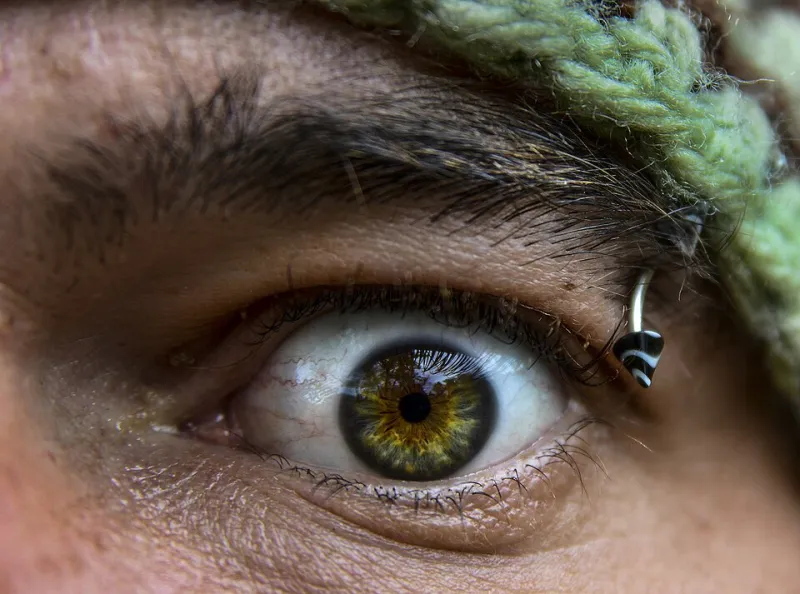
Photo: U.S. Air Force photo by Staff Sgt. Kenny Holston, Public domain, via Wikimedia Commons
The Part Nobody Talks About at the Brow Bar
There's a moment most of us know well: you walk out of a threading appointment, brows looking clean and sharp, and your skin is a little pink but you figure it'll calm down. And it does—usually. But if that pinkness keeps coming back faster than it used to, or your skin around your brows feels drier or more reactive than it did a couple years ago, your brow routine might be doing more than shaping your face. It might be slowly wearing down one of your skin's most important systems.
We're talking about the skin barrier—and once you understand what it does and how easily it can get disrupted, you'll probably think about your brow care a little differently.
So What Actually Is the Skin Barrier?
Your skin barrier is the outermost layer of your skin, sometimes called the stratum corneum. Think of it like a brick wall: skin cells are the bricks, and a mix of natural oils, lipids, and moisture-binding proteins act as the mortar holding everything together. When that wall is intact, it keeps irritants, bacteria, and environmental pollutants out—and keeps hydration in.
The skin around your eyes and brows is already on the thinner, more delicate side compared to the rest of your face. That means it's more vulnerable to damage, and it takes longer to recover when something disrupts it. Add in repeated hair removal, product application, and the occasional aggressive tweezing session, and you've got a recipe for a compromised barrier that shows up as redness, flaking, sensitivity, or that tight, uncomfortable feeling after any kind of treatment.
How Brow Removal Methods Affect the Barrier
Not all hair removal is created equal when it comes to skin impact. Here's a quick breakdown of what's actually happening at the skin level:
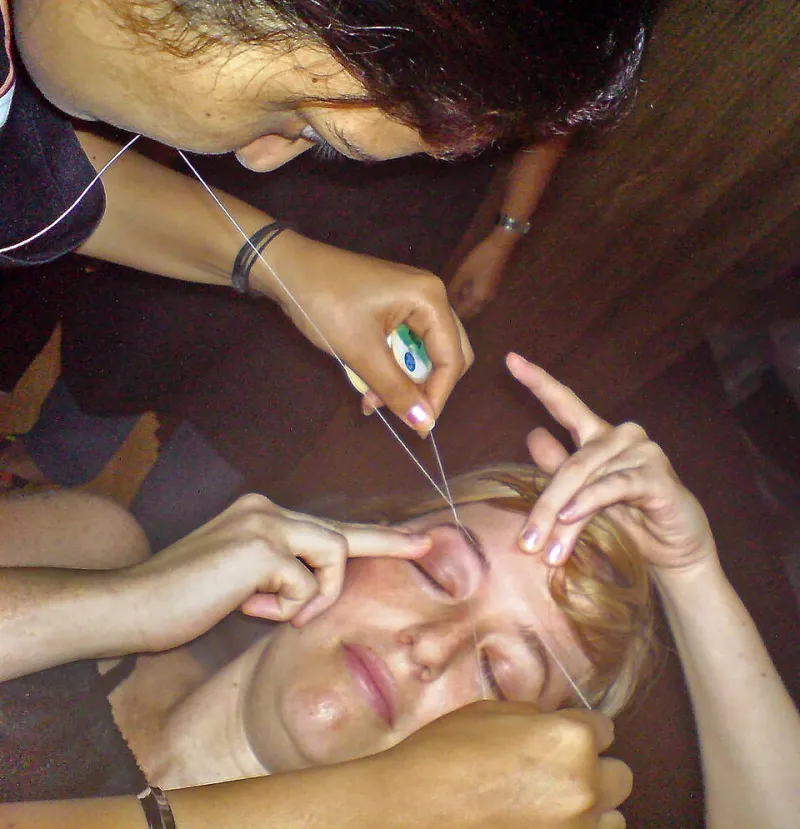
Threading — When done correctly by a skilled technician, threading is actually one of the gentler options for the skin barrier. The thread lifts hair from the follicle without pulling at the skin itself. That said, if the skin is being stretched too aggressively during the process, or if the thread is moving too quickly over already-sensitized skin, you can still cause micro-trauma to the surface. Frequency matters too—getting threaded every week doesn't give your skin enough time to fully recover between sessions.
Tweezing — This one's a slow burn. A few stray hairs here and there? No big deal. But habitual over-plucking—especially if you're pressing the tweezers into the skin or pulling at awkward angles—creates repeated micro-injuries right at the follicle. Over time, that kind of chronic stress to the same area can thin the skin, disrupt oil production, and even contribute to hyperpigmentation in people with deeper skin tones.
Waxing — Wax adheres to both hair and skin, which means when it's removed, it's taking a layer of skin cells with it. This is great for exfoliation in theory, but for the delicate brow area, it can strip away the very lipids your skin barrier depends on. People who wax regularly often notice their brow skin becomes more reactive over time—that's not a coincidence.
Brow razors and dermaplaning tools — These have gotten really popular thanks to social media, but using them near the brows without proper technique can nick the skin and disrupt the surface texture in ways that make the barrier more permeable.
The Microbiome Piece
Here's something that doesn't come up enough: your skin isn't just a passive surface. It's home to a whole ecosystem of microorganisms—bacteria, fungi, and other microbes—that work together to keep your immune response balanced and your skin healthy. This is your skin microbiome, and it lives in close relationship with your skin barrier.
When you repeatedly strip or traumatize the skin around your brows, you're not just removing hair. You're disrupting this ecosystem. That can make the skin more prone to breakouts along the brow bone, more reactive to products you've used for years without issue, and slower to heal after any kind of treatment. Some people notice this shows up as tiny pimples or bumps after threading—that's often a sign the microbiome is off-balance, not just that the follicles are irritated.
What Premature Aging Has to Do With It
This is the long game. When your skin barrier is repeatedly compromised, transepidermal water loss (TEWL) increases—meaning moisture escapes from your skin faster than it should. Chronically dehydrated skin is more prone to fine lines, and the area around the eyes and brows is already one of the first places where those lines tend to show up.
Beyond hydration, a weakened barrier also means more exposure to free radicals and environmental stressors that break down collagen over time. So while you're focused on getting the perfect arch, it's worth thinking about what's happening to the skin underneath that arch over the years.
How to Protect Your Skin While Still Getting Great Brows
The good news is you don't have to choose between well-shaped brows and healthy skin. It's really about being smarter with how and how often you're removing hair, and what you're doing to support your skin in between.
Space out your appointments. Most people don't need to get threaded more than every three to four weeks. Giving your skin that recovery window makes a real difference in how it holds up over time.
Skip the hot water right before and after. Heat opens the follicles and makes the skin more vulnerable. Avoid hot showers or steam directly before a threading session, and don't apply heavy products immediately after.
Use a gentle, barrier-supporting moisturizer post-treatment. Look for ingredients like ceramides, niacinamide, and hyaluronic acid. These help replenish what the skin loses during hair removal without clogging follicles or causing breakouts. Stay away from heavy, fragrance-laden creams right after threading—your skin is more permeable in that window and will absorb irritants more easily.
Resist the urge to touch. Your hands carry bacteria, and freshly threaded skin is more open to infection than usual. Give it a few hours before you apply makeup or rub sunscreen into that area.
Tell your technician if your skin has been reactive lately. A good brow specialist will adjust their technique based on your skin's current state. If you've been using a retinol or exfoliating acid, your skin is already more sensitive—that's worth mentioning before anyone puts a thread near your brow bone.
Think about what you're putting on your brows daily. Some brow gels, tints, and pomades contain alcohols or synthetic fragrances that can dry out the skin barrier over time. If you're using these products every day, check the ingredient list.
The Bottom Line
Beautiful brows and healthy skin aren't at odds—but getting both requires treating the skin around your brows with the same care you'd give the rest of your face. The brow area is small, but the skin there is doing a lot of work. When you support your skin barrier instead of constantly pushing against it, you'll notice your brows hold their shape better between appointments, your skin looks smoother and more even, and you're not dealing with that chronic low-grade redness that so many people just accept as normal.
Your brows are part of your face. The skin beneath them is too.